
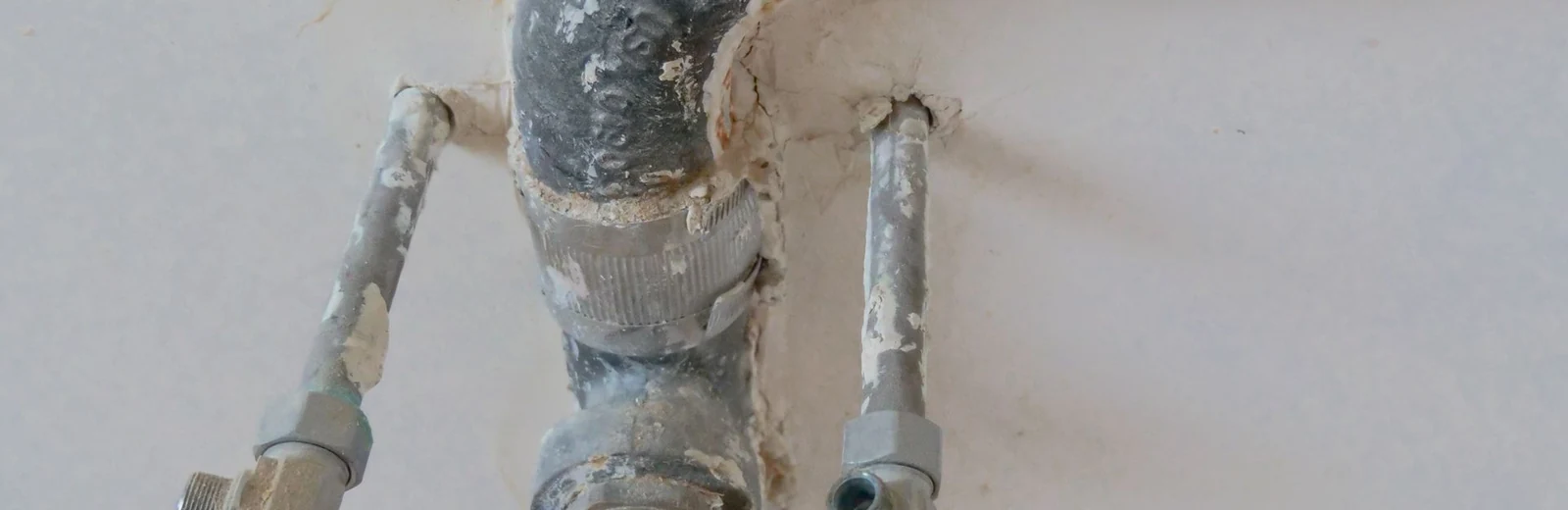
Plumbing installation is the work of putting in new pipes, fixtures and connections, either in a remodel or a new build, as opposed to repairing what is already there. It covers sinks, tubs, showers, toilets, water lines, drains and the rough-in that sits behind walls and under floors.
Most installation jobs are planned, so we look at the space, talk through the options and give a clear price before work starts. Our 24/7 line is for urgent leaks, and for anything with a gas smell the first call is not to a plumber, as the safety section below explains.
Smell gas? Leave first, then call
If you smell gas, leave the building right away. Do not turn on lights, use a phone inside or look for the source. Once you are outside, call 911 and the gas utility emergency number printed on your bill. Call a plumber only after the gas utility says the building is safe.
Gas line inspection, installation and leaks
Gas piping is a different trade from water piping, and errors can be dangerous. Work on gas lines should be done by a qualified, licensed contractor. When you call us about a gas range, dryer, grill or heater line, ask us plainly whether we handle that part of the job or whether it needs a specialist, and we will tell you.
Ask whoever does the work what permit and inspection steps apply to your gas job. If you only suspect a leak but smell nothing strong, open windows, leave, and call the gas utility from outside.
Fixtures and lines we install
Sinks, faucets and tubs
New fixtures need correct supply lines, shutoffs and a drain that slopes properly. We set and test them before we leave.
Toilets and showers
Replacing or adding a toilet or shower valve means checking the drain size and the wall behind it.
Water heater connections
Hooking up a new unit involves shutoffs, a relief valve and a safe discharge line. Our water heater installation page covers it in full.
New supply and drain lines
Adding a bathroom or moving a kitchen sink means running new supply pipe and a drain that connects correctly to the existing system.
Outdoor hose bibs
A new frost-resistant hose bib or yard line is a short job that needs proper shutoff and backflow protection.
Call to talk through permits, fixtures and timing.
Remodel rough-in: what happens before the walls close
Rough-in is the stage where pipes and drains go in before drywall, tile or cabinets cover them. It is the point where changes are still cheap. Moving a drain after the tile is set is far harder than moving it on paper.
Before we start, we confirm the fixture list and the exact positions, since a few inches matter for vanities, tubs and toilets. After rough-in, the work is usually inspected before it is covered. Ask the Health Department when inspections are scheduled so you do not close walls early.
Do it yourself or hire a plumber
Some installs are fair for a careful homeowner. Others carry risk if done wrong.
Doing it yourself
- Swapping a faucet or showerhead is usually manageable
- Homeowner work is allowed only under certain conditions, so ask the Health Department
- A mistake behind a wall may show up as a leak months later
- Landlords and rental owners may not be allowed to do their own plumbing work
Hiring a plumber
- Registered plumbers work with the Health Department on permits
- Pressure testing and inspection are part of the plan
- Rearranging pipe or fixtures needs a permit
- Faster when the work involves multiple fixtures
Backflow testing and prevention
A backflow preventer is a valve that keeps water in your plumbing from flowing backward into the public supply. You often see them on irrigation systems, boilers and some commercial lines. They protect drinking water from contamination.
Ohio enforces rules on backflow devices, and the Sidney-Shelby County Health Department keeps a list of certified backflow testers. Ask the Health Department for the certified tester list. Be clear on one point. A backflow test is done by a certified tester, so we will tell you honestly if the test needs one, and we can handle the installation side. Call 937-498-7249 for the list.
New construction plumbing
A new house or addition needs plumbing in stages: underground drains before the slab or footing, rough-in before drywall and trim-out after finishes. Each stage is typically inspected. If you are building near Fort Loramie or elsewhere in the county, the plumbing permit still goes through the Health Department. Talk to us early so the plan is ready when your builder is.
Permits for plumbing work in Shelby County
The Sidney-Shelby County Health Department states that anyone doing plumbing work in Shelby County is required to apply for a plumbing permit. Minor repair, such as clearing a stoppage or fixing a leak in a pipe, valve or fixture without rearranging pipes or fixtures, does not need one. The Health Department's registered plumber list is available by calling 937-498-7249.
That means a new fixture, a moved drain or a new line almost always needs a permit and a registered plumber. Call the department to ask whether your job qualifies as minor. Permits protect you, since the inspection catches errors before they are covered.
How to check any plumber before you hire
Use these checks on any plumber, including us.
- Ask for the plumber's registration with the Sidney-Shelby County Health Department, which registers plumbers each year.
- For commercial work, ask for a state plumbing licence and look it up through the Ohio Construction Industry Licensing Board lookup.
- Ask who pulls the permit and who schedules the inspection.
- Ask for the price in writing before work starts.
What affects the price of an installation
Installations vary too much to price blind. After we see the space and the fixtures, you get a clear price before work starts.
Insurance generally does not pay for planned upgrades or remodels. A claim may apply only if a sudden failure caused damage, so ask your insurer.
Related work
If your project includes old pipes inside the walls, ask about repiping before the walls close. For a new water line from the meter pit, see water service line repair. Businesses with larger projects can read about commercial plumbing. Our line stays open around the clock for leaks, even though installs are scheduled.
Common questions
Do I need a permit to install a new fixture in Shelby County?
Most likely. Anyone doing plumbing work in Shelby County needs a plumbing permit from the Sidney-Shelby County Health Department, except for minor repair. Call 937-498-7249 to confirm for your job.
What should I do if I smell gas?
Leave the building right away, then call 911 and the gas utility emergency number printed on your bill. Do this before you call any plumber, and stay outside until the utility says the building is safe.
Who tests a backflow preventer?
A certified backflow tester. The Health Department keeps a list of certified testers, so ask it for the certified tester list at 937-498-7249. We can discuss installation, but the test itself is done by a certified tester.
Can you run a new gas line?
Gas piping should be handled by a qualified, licensed contractor. Ask us on the call whether your gas job fits what we do, and we will tell you plainly if a specialist is needed.
How do I verify a plumber is registered?
Ask for their registration with the Sidney-Shelby County Health Department, or call 937-498-7249 for the registered plumber list. For commercial work, ask for the state licence and check the Ohio Construction Industry Licensing Board lookup.
Do you do plumbing for new construction?
Yes, in stages, from underground drains to rough-in and trim-out. Talk to us early so the permit and the schedule match your builder's.